
Cognitive Behavioral Therapy (CBT)
At Contemporary CBT, we provide Cognitive Behavioral Therapy for children, teens, adults, couples, and families. We offer in-person CBT at our offices in Chicago (Lakeview) and Skokie, as well as virtual therapy for clients located in Illinois, Florida, South Carolina, Michigan, and Wisconsin.
What is Cognitive Behavioral Therapy?
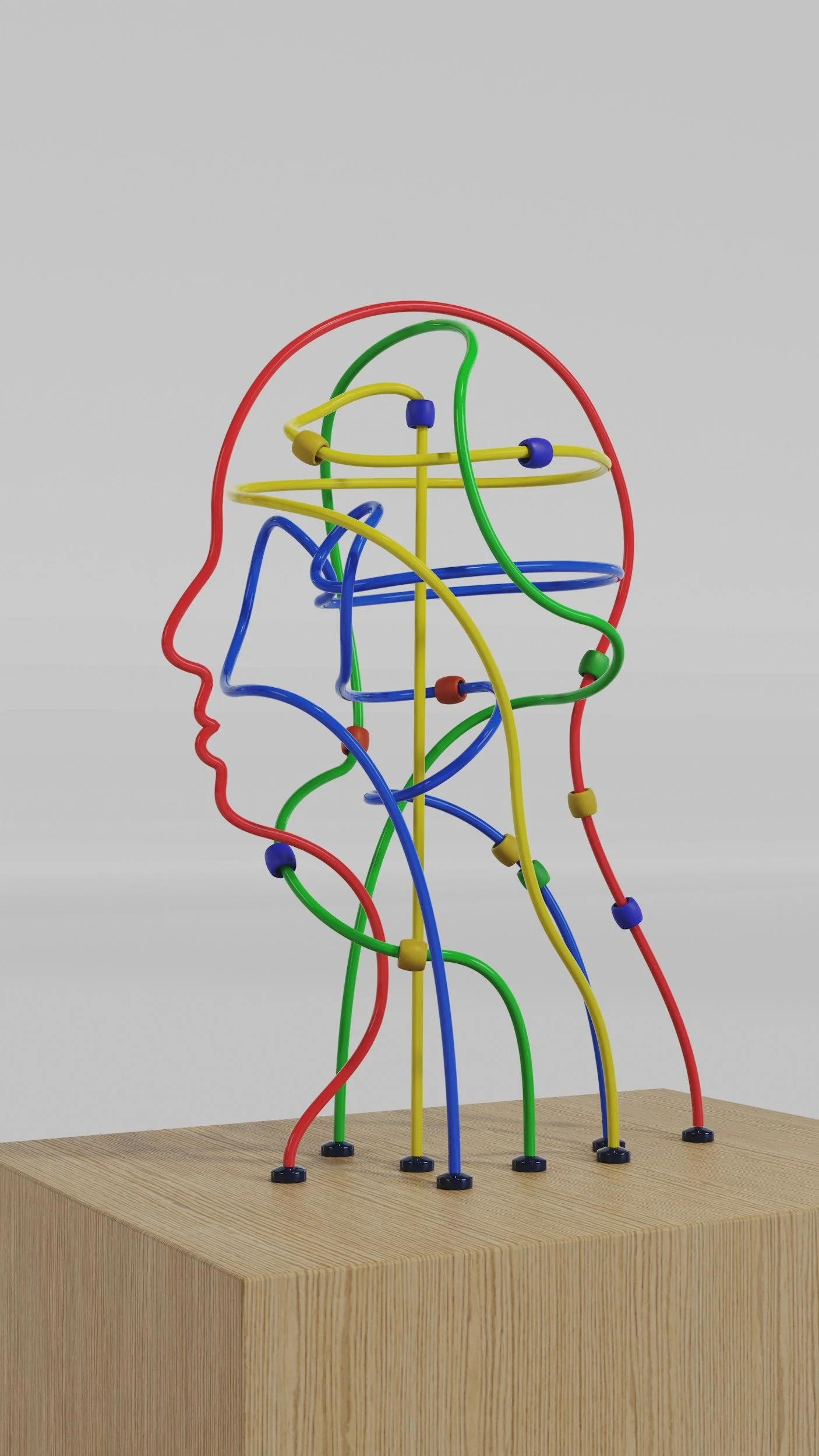
Cognitive Behavioral Therapy, often called CBT, is a practical, evidence-based form of therapy that helps people better understand the connection between their thoughts, emotions, behaviors, and physical reactions. In CBT, we look at the patterns that may be keeping someone stuck, then use that understanding to create meaningful change.
CBT helps clients identify and challenge unhelpful thought patterns, understand emotional triggers, and change behaviors that may be reinforcing distress, such as; avoidance, perfectionism, reassurance seeking, self-criticism, or shutting down. It also helps clients explore deeper core beliefs that may shape how they see themselves, others, and the world, such as “I’m not good enough,” “I’m not lovable,” “I’m helpless,” or “I have to do everything perfectly.”
The goal of CBT is not to force positive thinking or ignore difficult emotions. Instead, CBT helps clients develop a healthier relationship with their inner experience. By understanding their internal system more clearly, clients can feel more empowered to make choices that support their well-being and move them closer to the person they want to be.
CBT can be a helpful place to start if you feel overwhelmed by your thoughts, struggle with self-confidence, notice repeated patterns you want to change, or find yourself engaging in behaviors that provide short-term relief but create more distress over time.
What Can CBT Help with?
Anxiety and excessive worry
Panic attacks
OCD and intrusive thoughts
Depression and low motivation
Perfectionism
Stress and burnout
Social anxiety
Phobias and avoidance
Health anxiety
Sleep difficulties
School anxiety
Emotion regulation challenges
Parent-child conflict
Relationship stress
Major life transitions
Impulsive or unhelpful behaviors
How Does Cognitive Behavioral Therapy Work?
CBT is based on the idea that thoughts, feelings, behaviors, and physical sensations all influence each other. For example, someone who feels anxious may start avoiding situations that trigger anxiety. Avoidance can bring short-term relief, but over time it often makes anxiety stronger. In CBT, clients learn how to identify this cycle and practice new ways of responding.
A CBT therapist may help you:
Identify patterns in thoughts and behaviors
Understand what triggers anxiety, sadness, anger, or stress
Challenge unhelpful or rigid thinking
Build coping skills for difficult emotions
Practice gradual exposure to feared situations
Reduce avoidance, reassurance seeking, or compulsive behaviors
Set realistic goals and track progress
Learn strategies you can use outside of therapy

CBT is active and collaborative. Your therapist will work with you to understand your goals and choose strategies that fit your life.
CBT is also commonly used with other evidence-based approaches, including Exposure and Response Prevention (ERP), Acceptance and Commitment Therapy (ACT), Dialectical Behavior Therapy (DBT), behavioral activation, and habit reversal training.
CBT for Anxiety
CBT is one of the most commonly used treatments for anxiety. It can help clients understand how worry, avoidance, reassurance seeking, and physical anxiety symptoms interact. Clients may learn how to challenge anxious predictions, tolerate uncertainty, face feared situations gradually, and reduce behaviors that keep anxiety active. This can be especially helpful for generalized anxiety, panic attacks, social anxiety, phobias, health anxiety, and performance-related anxiety.

CBT for Teens and Children
CBT can be especially helpful for children and teens because it teaches concrete skills. Young clients often benefit from learning how thoughts, feelings, and behaviors are connected in a way that feels understandable and practical. CBT for children and teens may focus on anxiety, school stress, perfectionism, emotional outbursts, social concerns, low mood, family conflict, or avoidance. We also work with parents when parent support or coaching would help reinforce progress at home. All of our clinicians are trained in Supportive Parenting for Anxious Childhood Emotions (SPACE) treatment and will engage this modality when appropriate.

CBT for Adults
Adults often come to CBT when they feel stuck in patterns of anxiety, stress, burnout, depression, relationship conflict, or self-criticism. CBT can help adults slow down reactive responses, understand patterns more clearly, and make sustainable changes. CBT is a good fit for adults who want therapy that is supportive but also practical, goal-oriented, and skills-based.